Web Reference: Jan 2, 2010 · 7 It is the Bitwise xor operator in java which results 1 for different value of bit (ie 1 ^ 0 = 1) and 0 for same value of bit (ie 0 ^ 0 = 0) when a number is written in binary form. ex :- To use your example: The binary representation of 5 is 0101. The binary representation of 4 is 0100. How do the post increment (i++) and pre increment (++i) operators work in Java? Asked 16 years, 1 month ago Modified 1 year, 10 months ago Viewed 451k times In any Java source file using generics the old non-generic types should be forbidden (you can always use if interfacing to legacy code) and the useless diamond operator should not exist.
YouTube Excerpt: Code From
Information Profile Overview
Java Video Tutorial 14 - Latest Information & Updates 2026 Information & Biography

Details: $35M - $74M
Salary & Income Sources

Career Highlights & Achievements


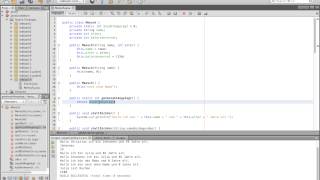
![Famous Java Tutorial -14- für Anfänger "Inkrement Dekrement Operatoren" [HD] Deutsch Profile](https://i.ytimg.com/vi/S8_DYMg173c/mqdefault.jpg)



Assets, Properties & Investments
This section covers known assets, real estate holdings, luxury vehicles, and investment portfolios. Data is compiled from public records, financial disclosures, and verified media reports.
Last Updated: April 10, 2026
Information Outlook & Future Earnings

Disclaimer: Disclaimer: Information provided here is based on publicly available data, media reports, and online sources. Actual details may vary.